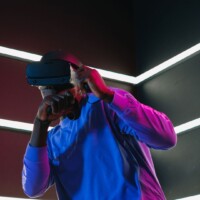
Moving Beyond Flat Floating Screens in Spatial Computing Mixed-reality interfaces become less convincing when they are treated as ordinary two-dimensional windows simply hung in mid-air. A panel can be technically legible and visually polished yet still feel misplaced, unstable, or strangely demanding to use. The problem is not the presence of depth itself. The problem
Why Glass Feels Lifeless Without Tactile Rhythm Modern touch interfaces can render depth, translucency, motion, and responsive visual states with remarkable sophistication. Yet beneath those effects, the user still touches a perfectly flat surface. The contrast is fundamental: the screen may suggest a physical button, dial, or textured control, while the fingertip receives no corresponding
The Silent Friction of Modern Digital Soundscapes Interface audio occupies a delicate space between clarity and fatigue. A short confirmation can reassure a user that a payment went through, a file saved, or a command registered. The same confirmation, repeated without context, can become a source of irritation within minutes. In modern products, sound is
The Perils of Motion-Heavy Storytelling Scrollytelling has transformed the way digital stories explain complex subjects. A reader can move through a climate record, a public health simulation, or an election map while text, charts, images, and video respond to the position of the viewport. When the choreography is disciplined, scrolling becomes a form of narrative
The Interaction Paradox in Digital Documentary Interactive documentaries promise something conventional film cannot fully provide: the ability for viewers to choose where to look, whose testimony to follow, and how deeply to investigate a subject. That promise also creates a difficult editorial problem. Every additional choice can strengthen a viewer”s sense of participation, but it
Animation in user interface (UI) design has evolved from a mere visual flourish to a powerful tool for enhancing user experience (UX). Its psychological impact is significant, influencing user attention, cognition, emotions, and behavior. By understanding the psychological principles behind animation, designers can create interfaces that are intuitive, engaging, and satisfying. Animation’s Evolving Role in
Web development has transformed dramatically, particularly in how we create websites that adapt to various devices. This article explores the journey from static, desktop-focused layouts to the dynamic, flexible websites we use today. We’ll examine the key milestones, technological advancements, and evolving philosophies that have shaped web design across a multitude of devices. Early Web
In multimedia design, color is a powerful tool that influences emotions, perceptions, and behaviors almost instantaneously. Our brains process color rapidly and subconsciously, making it a critical element for creating engaging digital experiences that are not only aesthetically pleasing but also communicate effectively. Understanding color psychology is crucial for any designer. Understanding Color Theory and
For a multi-media design agency, knowing how to attract an audience is crucial. One popular aspect of websites and blogs is the use of unique infographics. Creating SEO-optimised infographics requires a strategic approach that combines visual appeal with search engine friendliness. The key to success lies in understanding keywords and using the right tools to
Graphic design is a never-ending process that relies on artistic and technical skills. However, it also relies heavily on a collaborative approach. Collaboration is the cornerstone of any design project, whether it is a fellow designer, developer, marketer, or client. From a multimedia company”s perspective, a robust intranet is key to enhancing internal communication, collaboration,